LensTalk | Lisbon's yellow trams become city symbol color


LISBON, May 15 (Xinhua) -- In many European cities, old trams survive mainly as nostalgic attractions. In Lisbon, however, the yellow tram has become something far bigger: a defining image of the Portuguese capital itself.
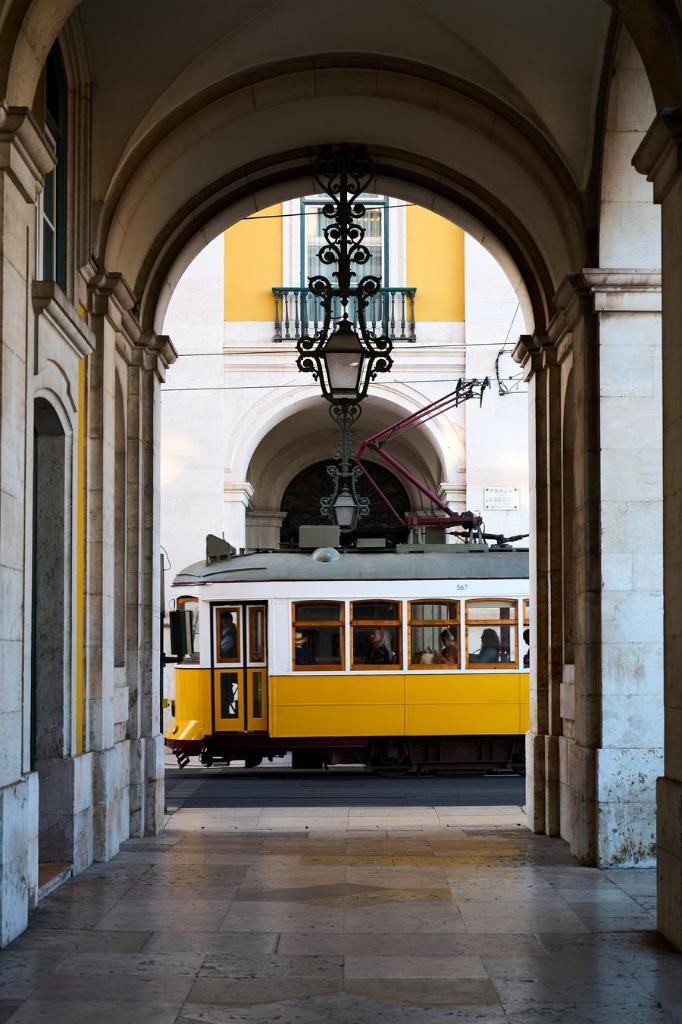
Lisbon's tram system dates back to the 19th century. As metro systems and modern buses expanded across Europe during the 20th century, many cities dismantled their old tram networks. Lisbon kept much of its system alive, largely out of necessity rather than sentiment.
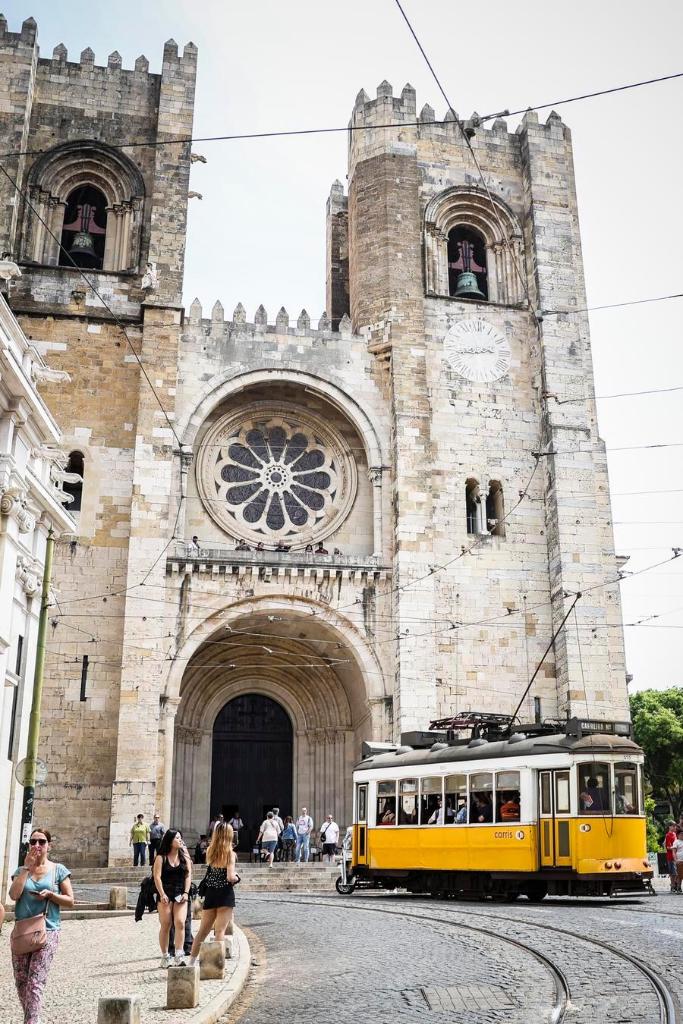


Built across steep hillsides, the city's narrow streets and sharp inclines, especially in historic districts such as Alfama, are poorly suited for large buses. Smaller traditional trams, with their compact size and ability to climb, remained one of the most practical ways to move through the old neighborhoods. The city's vintage yellow trams, with their wooden interiors and aging metal frames, have never fully disappeared from daily life.
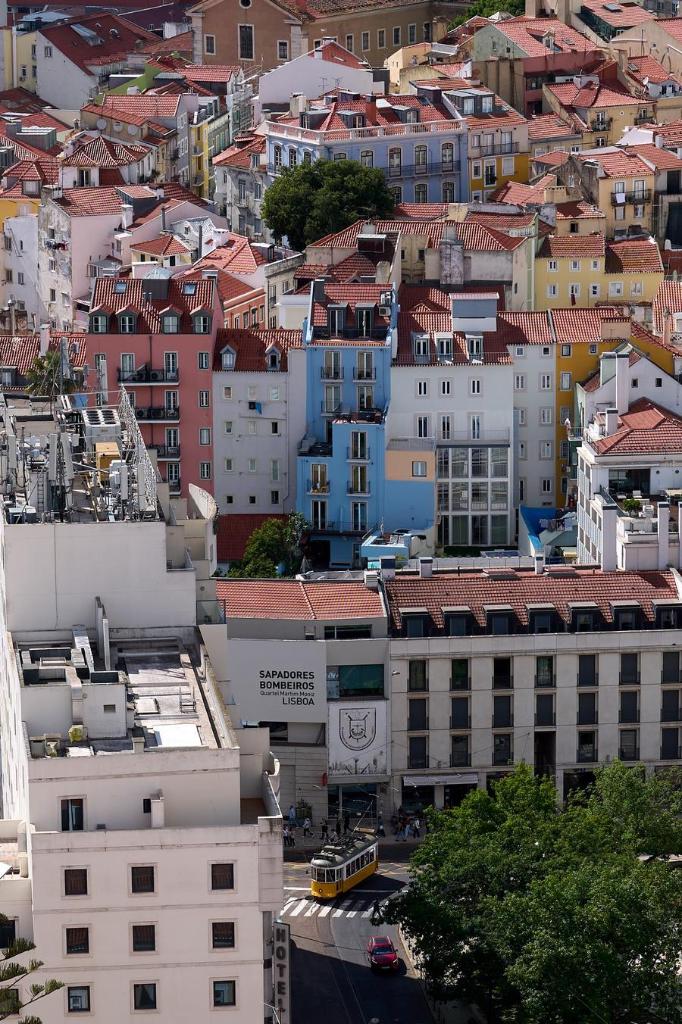
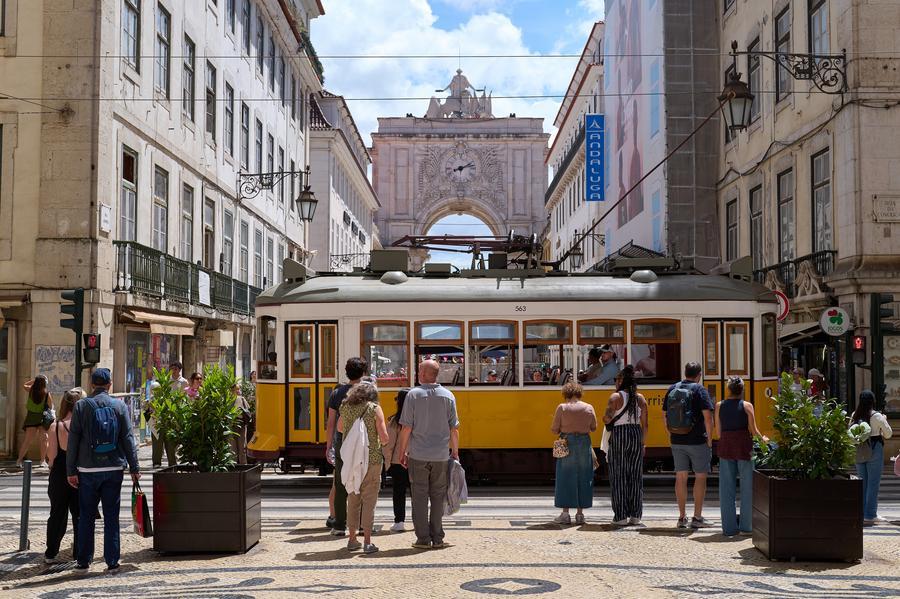


In Alfama, faded facades and rusted iron balconies still stand beside newly restored apartments. The city has not entirely turned the page on its past; instead, it keeps adding notes in the margins.
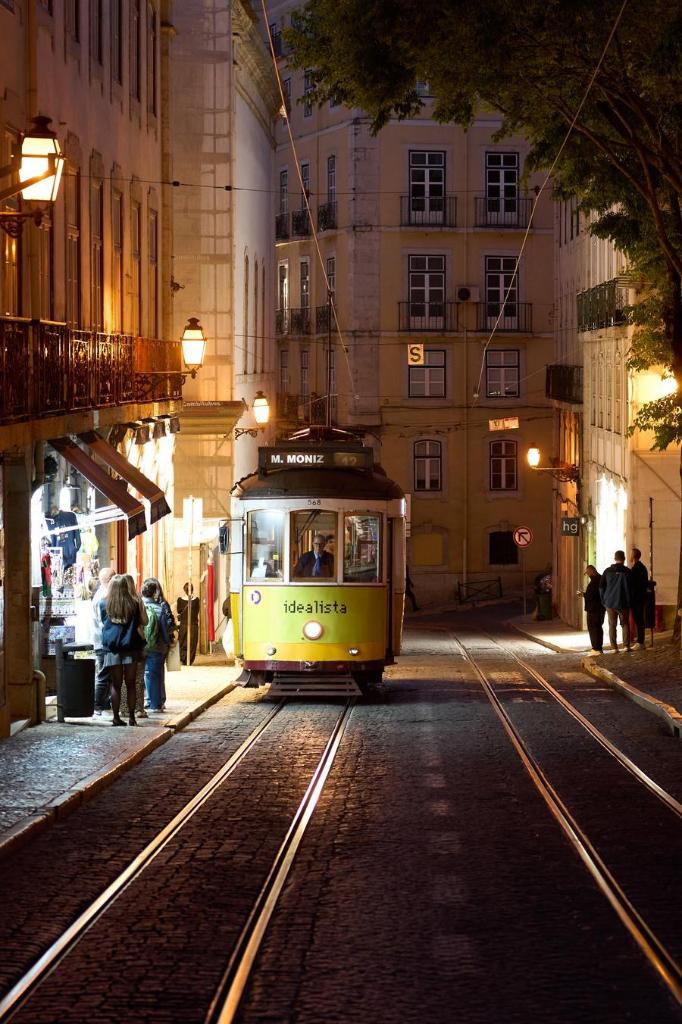
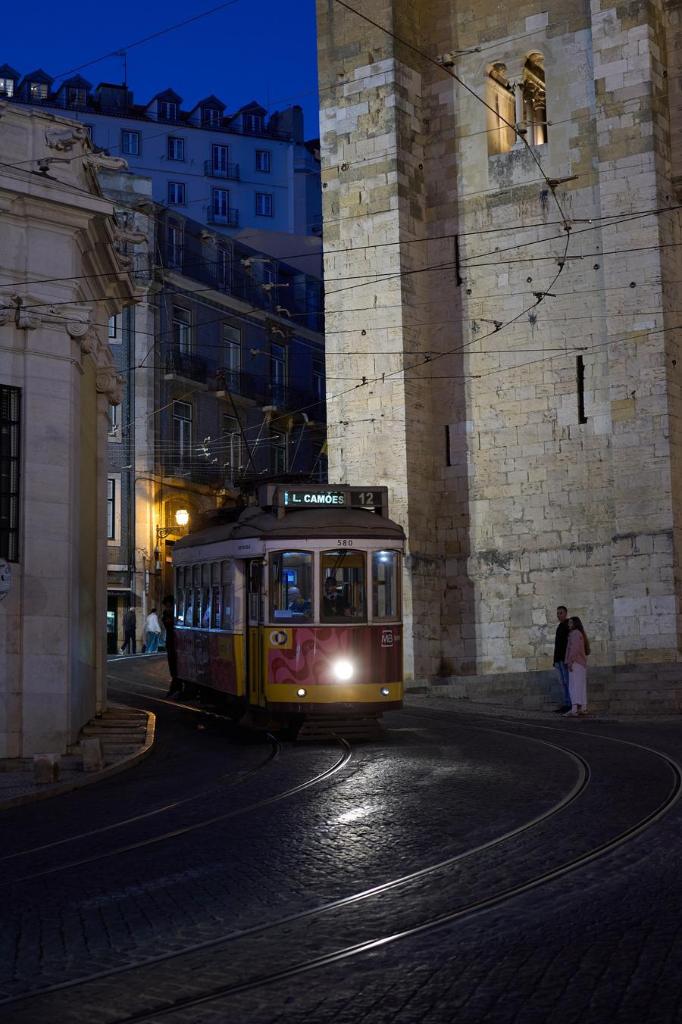
What Lisbon perhaps did not anticipate was that these old yellow trams would eventually evolve into the city's strongest visual symbol.
Today, almost any travel advertisement or social media post about Lisbon is likely to feature a yellow tram climbing through a narrow street. In many cases, the trams appear more frequently than famous landmarks such as Belem Tower or Jeronimos Monastery.


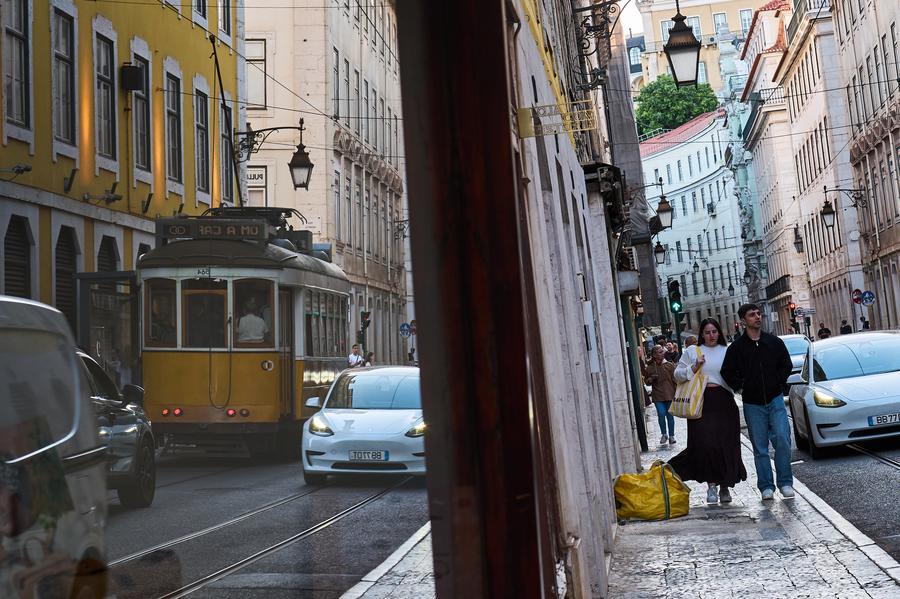
Lisbon's tourism authorities clearly understand the trams'appeal. In recent years, the city's official promotional materials have rarely omitted the iconic yellow cars. What was once preserved due to geographical constraints has gradually become one of the most recognizable elements of Lisbon's urban identity.




Reporters: Meng Dingbo, Xun Wei, Carlos Costa■












Comments